
3 Signs of Roof Damage to Look for After a Thunderstorm
Updated: May 19
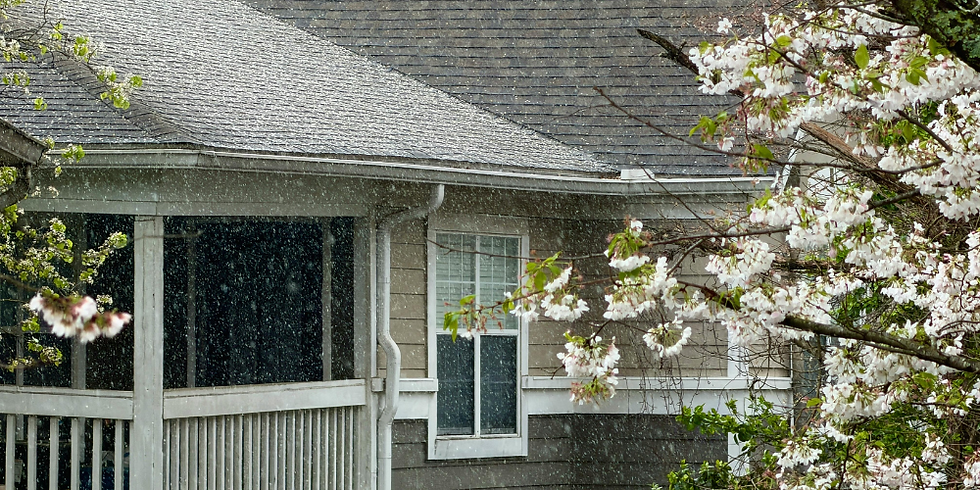
Severe thunderstorms with strong wind gusts, damaging hailstones, and heavy rainfall are common in the springtime. Homeowners in the Midwest have some of the most unpredictable weather, which can take a toll on your home, especially your roof. While the damage may not be noticeable at first, it's important to take the time to assess your roof after severe weather to see if there is any damage.
In this blog, we're talking about three signs of roof damage to look out for after a thunderstorm hits.
Missing, cracked, or lifted shingles
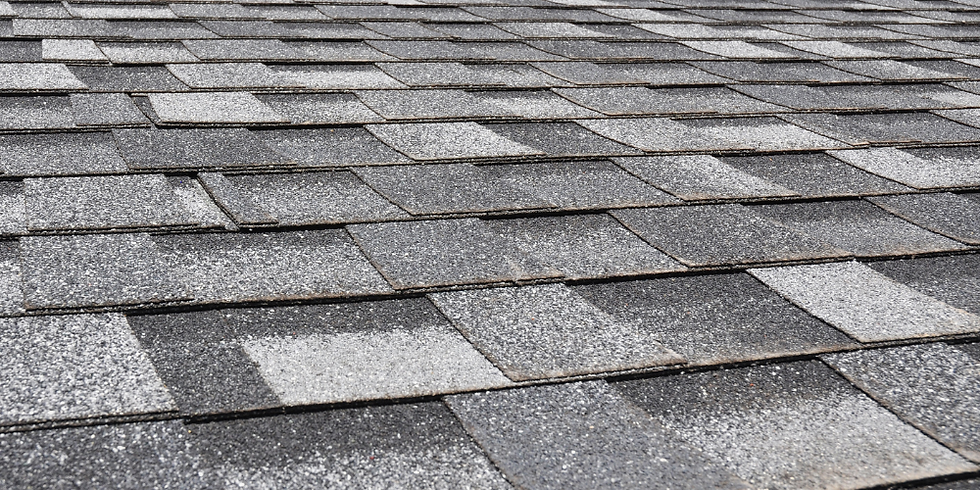
Asphalt shingles play a vital role in protecting your roof from the elements. After a thunderstorm hits, it's important to take the time to look for any noticeable signs of damage. This doesn't require you to grab a ladder and head up to your roof. Instead, you can safely do a quick self-inspection from the ground.
When you're looking at your shingles, you want to check for any missing or broken shingles. High wind gusts are notorious for lifting shingles or breaking off old, brittle ones.
Hail can also damage your shingles by causing cracks or impact-related damage. While impact-resistant shingles may help protect your home, it’s possible to still sustain some minor hail damage.
If your shingles show any obvious signs of wear and tear, they can cause other serious issues down the road. When shingles are damaged, the exposure leaves your roof vulnerable to water damage, especially during the next round of storms. Water can easily seep into areas with missing shingles or even small dents.
While your self-inspection doesn't replace a professional roof inspection, it can help you identify any issues caused by recent thunderstorms.
Damaged flashing
Flashing is another layer of your roof that may be impacted by severe thunderstorms. This material is responsible for protecting your roof from water intrusion in vulnerable parts of your roof by directing water away from skylights, vent pipes, and chimneys. It's normally composed of aluminum or steel.
As with asphalt shingles, high winds may loosen your flashing, causing it to lift or separate, while hail can create dents and weaken the seal.
Any small openings increase the risk of water damage to your roof. While a small leak may not seem like a big deal at first, over time, roof leaks can lead to costly damage. In extreme cases, it may cause structural issues or mold and mildew growth.
While it may be difficult to spot damaged flashing from the ground, you may be able to see some gaps around your skylight or chimney, or notice lifted edges. If you notice any interior water damage, especially around your chimney, skylights, or in your attic, it may be a sign that your flashing is damaged.
Having a professional roofing company inspect your roof can determine whether your flashing is damaged.
Clogged gutters
Another area of your home you should look at after a storm rolls through is your gutters. Strong winds can grab hold of debris like twigs, branches, and leaves, which can end up in your gutters.
When this happens, they can't drain water away from your home like they normally do, so you're left with excess water with nowhere to go. Clogged gutters can make water back up towards your roof. The poor drainage may cause water to back up under your shingles and seep into small cracks. Over time, the resulting water damage around your roof and siding may lead to long-term damage that requires costly roof repairs.
Taking a moment to check your gutters and eaves after a storm can help you spot potential clogs before they become bigger issues.
The importance of a 12-Point Inspection for Roof Damage
While self-inspections are important, it’s still best to schedule a professional roof inspection. After you're hit with severe weather, an inspection can help determine if the storm caused any damage to vital parts of your roof.
At Ken-Z Roofing, we provide a free 12-Point Inspection before any work begins. It's a comprehensive overview of your roof's condition and offers solutions for any issues we identify.
Some of the areas we check include:
Ventilation
Plumbing stack pipe collars and/or lead boots
Furnace exhaust pipe installation
Chimney flashing
Skylight flashing and skylight
Valleys
Shingles
Algae and moss growth on shingles
Decking
Exposed nails
Gutters
After your professional roof inspection, you can start to see the extent of the storm damage and create a plan for repairs or a replacement.
Be worry-free with Ken-Z Roofing
As a homeowner, it can be overwhelming to find the right, licensed, and insured roofing contractor for the job. At Ken-Z Roofing, we're here to offer peace of mind through the entire roofing process. With over 30 years of experience serving homeowners in Northern Illinois, we can help you with your next repair or replacement.
Our team is Certainteed Shingle Master Certified, meaning we have the knowledge and skill to properly install Certainteed Shingles. This recognition demonstrates our dedication to providing our homeowners with the highest-quality workmanship using the best materials in the industry. Call us today at 815-395-8244 to schedule your 12-Point Inspection.


Comments